


For the first time in more than a century, the golden eagle (Aquila chrysaetos) could soon be seen once again gliding over the skies of England thanks to a new feasibility study.
The research carried out by Forestry England with several partners looked at upland areas across Northumberland, Cumbria and parts of the Yorkshire Dales. They have found enough habitat and food sources to sustain a breeding population if the birds were reintroduced. Conservation groups have floated for years but the potential for an actual project has increased.
Golden eagles were common across much of Britain since the Ice Age and during the multiple millenia span of the great ‘Wildwood’. They thrived in wild landscapes, moors and mountains. But by the late 1800s they had been all but wiped out in England, largely due to shooting and poisoning by gamekeepers. As with so many of our critical species of the Victorian era, they lost out during the decades of rapid urbanisation, habitat loss and pollution. Today, the species survives mainly in the Scottish Highlands, with around 500 known breeding pairs. Sightings are incredibly rare south of the border.
Conservationists point to the South of Scotland Golden Eagle Project as a reason for optimism. The scheme began in 2018 and involved moving chicks from healthier populations into the Southern Uplands. Their numbers rose from just a handful of birds to more than fifty in less than a decade. It is widely seen as a success, and now England might be looking to to follow suit.
“Golden eagles are part of our natural heritage, yet generations of people in England have never seen one in the wild,” said Sarah Bunting, senior ecologist with Forestry England. “This study shows it’s not only possible to bring them back, but that the habitat is ready for them.”
Bringing back a top predator is not just about symbolism. Golden eagles predate upon rabbits, hares and a range of birds meaning they help keep populations in balance. They are a key indicator species and therefore a sign of a healthy landscape and ecosystem.
“Predators are not simply passengers in ecosystems, they help to shape them,” said Dr Alan Keir, University of Newcastle. “Golden eagles are apex predators. Bringing them back could help restore some of the natural checks and balances we’ve lost.”
Not everyone is thrilled at the idea. Farmers in upland areas are understandably wary, especially sheep farmers who fear lambs might be at risk. Scientific studies suggest eagles rarely take healthy lambs, but this does not always calm stakeholder anxieties.
“There has to be real dialogue,” said Martin Hirst, a sheep farmer from Cumbria. “We care about wildlife, but farmers also need assurances. If a lamb is taken, who covers that loss? These are practical questions that can’t be brushed aside.”
In Scotland, the reintroduction project addresses concerns through monitoring schemes and compensation for lost livestock – a scheme to be likely required in England.
Golden eagles also offer opportunities for tourism as they have been a major draw for birdwatchers to Scotland. This can in turn bring benefits to local economies.
“Wildlife tourism is booming, and the golden eagle is a flagship species,” said Fiona Blake, of Northumberland Wildlife Trust. “People travel from all over the world to see them in Scotland. There’s no reason the same couldn’t happen here.”
For local birders, the idea of eagles returning to English skies feels almost too good to be true. “It would be incredible to look up and see eagles soaring over the Pennines,” said Tom Rees, volunteer naturalist. “It’s the kind of thing you dream about as a birder.”
There is currently no given date for releases as reintroductions can sometimes take years to implement following community consultation and government approval. However, momentum is building.
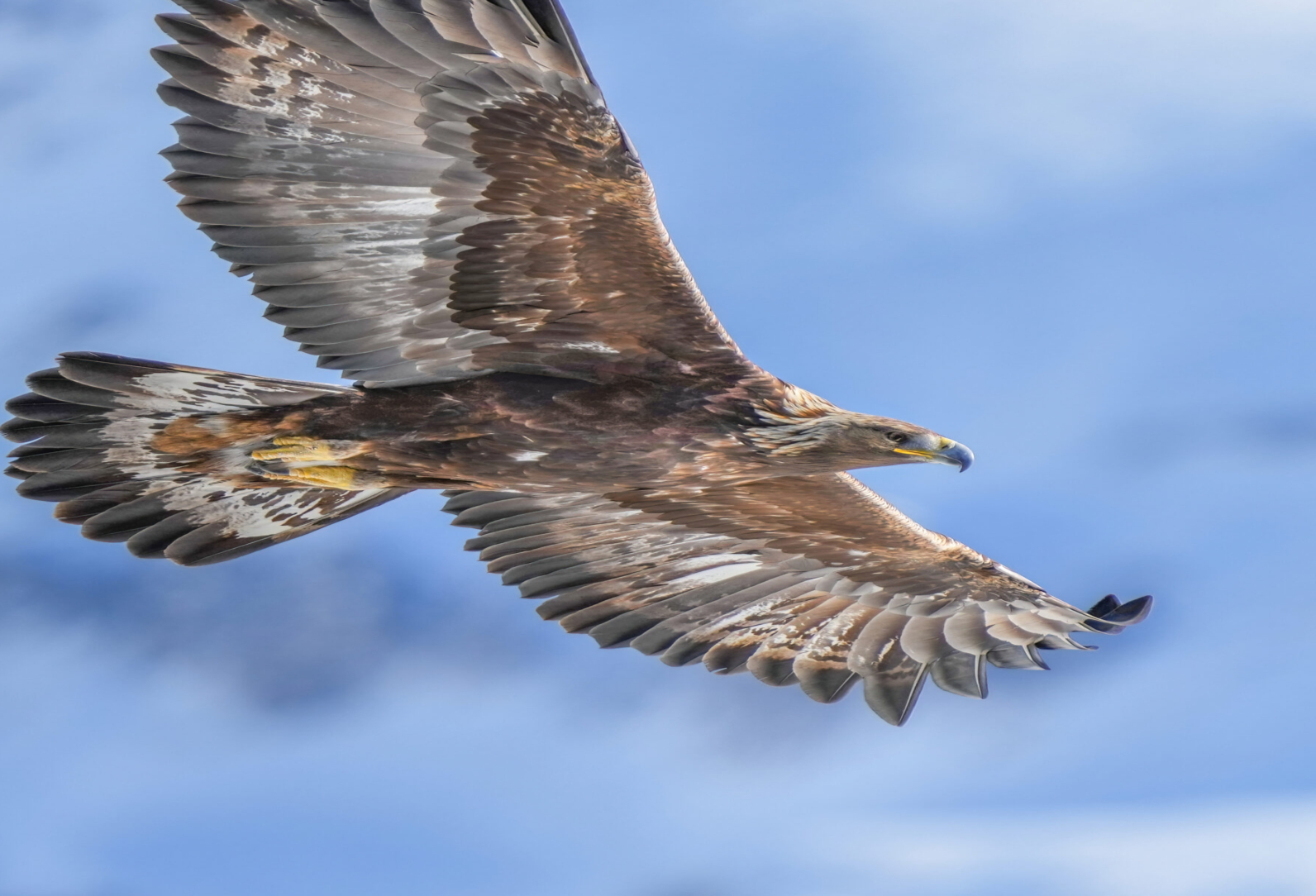
Goldon Eagle in flight
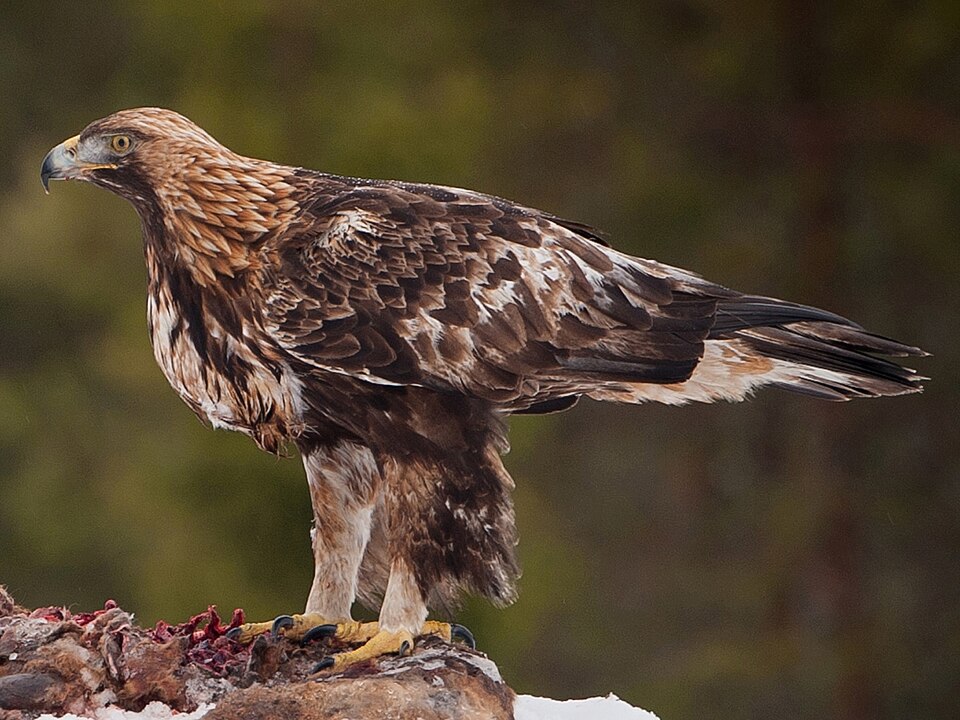
Wintering Eagle
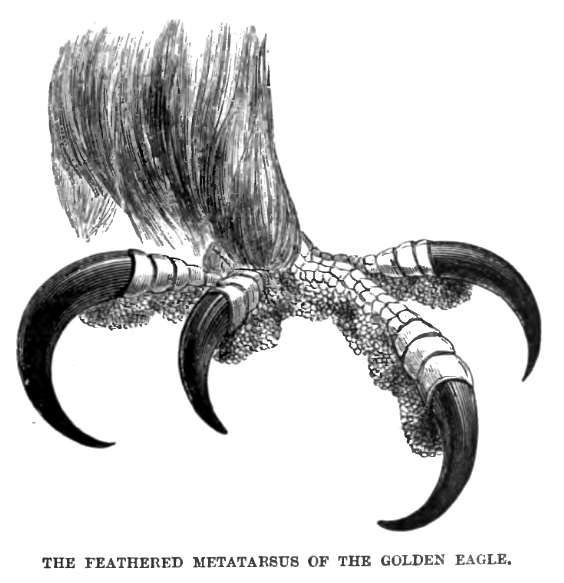
Foot and talons of Eacle