


Natural England has announced that more than 150 at-risk species are showing signs of recovery, offering optimism in Britain’s long struggle against biodiversity decline.
The encouraging figures come from the British government’s Species Recovery Programme, which has channelled £13 million into targeted projects ranging from river restoration and wetland creation to hedgerow planting and predator control. The effort has brought together conservation charities, farmers, local authorities and volunteers in what officials describe as a “collective endeavour.”
Among the success stories are water voles, long regarded as Britain’s fastest-declining mammal. Populations are beginning to return to canals and rivers where habitat has been restored and invasive mink managed. “To see them swimming again where they disappeared twenty years ago is incredibly moving,” said Emma Hughes, Midlands volunteer coordinator. “It gives people hope that our actions matter.”
The hazel dormouse, another species which previously believed to be sliding toward extinction, has shown signs of stabilising in areas where thick hedgerows and woodland corridors have been replanted. In Northumberland, primary school pupils have been helping with monitoring schemes. “When the children learn that a tiny mouse is surviving because of hedges they’ve helped to plant, it makes conservation very real to them.” Said local teacher Mark Lawson.
Birdlife has also responded positively. The red kite, once confined almost entirely to rural Wales, now circles widely above towns and villages in southern and eastern England. “We never thought we’d see them in numbers over Oxfordshire again,” said local birdwatcher Jenny Price. “Now they’re part of the everyday skyline.” On the coast, the oystercatcher has benefitted from protected breeding grounds, while cleaner rivers and the removal of barriers are allowing Atlantic salmon to swim further upstream.
Officials emphasise that these gains are not set and should not be taken as a sign that the wider ecological crisis is over. “The message here is that dedicated, targeted action works. If you give species the space and the right conditions, they can recover. But the pressures of climate change, pollution and land use are still enormous, and without ongoing commitment many of these species could slide back.” Said Tony Juniper, Natural England chair, who announced the groundbreaking news.
Farmers have played a pivotal role. Under new schemes that reward biodiversity improvements, hedgerow management, pond creation and wet grassland restoration are becoming more common. “We’ve always wanted to see more wildlife on our land, but before there wasn’t much support for it,” said Devon farmer Sarah Collins. “Now we’re seeing barn owls nesting again, and that’s a joy for us as much as it is for the conservationists.”
The programme has also emphasised public involvement. Volunteers have logged thousands of hours clearing invasive scrub, planting native vegetation and monitoring populations. For some, the work provides a sense of connection and purpose. “It’s easy to feel overwhelmed by the news about nature,” said student volunteer Ravi Patel, who helped with riverbank restoration in Yorkshire. “But when you’re out there digging, planting, or counting insects, you see that change is possible in front of your eyes.”
Despite the challenges ahead, conservationists argue that these stories signal a shift in tone. Instead of focusing solely on loss, Britain can point to examples of renewal. The presence of water voles in canals, dormice in hedgerows, and kites in suburban skies suggests that recovery is achievable if resources are sustained.
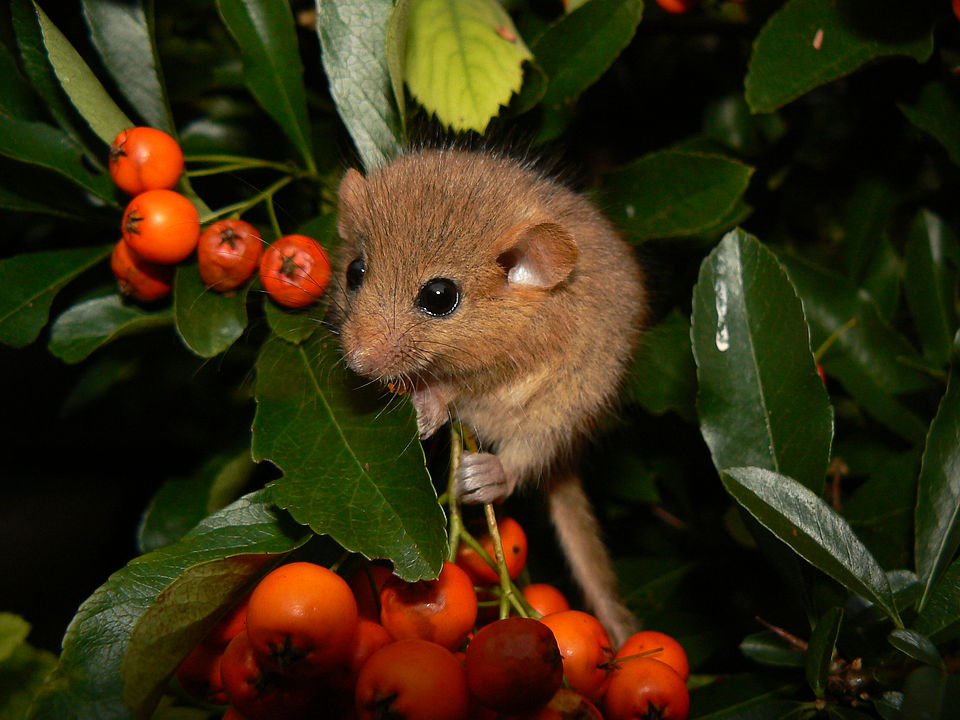
Hazel dormouse
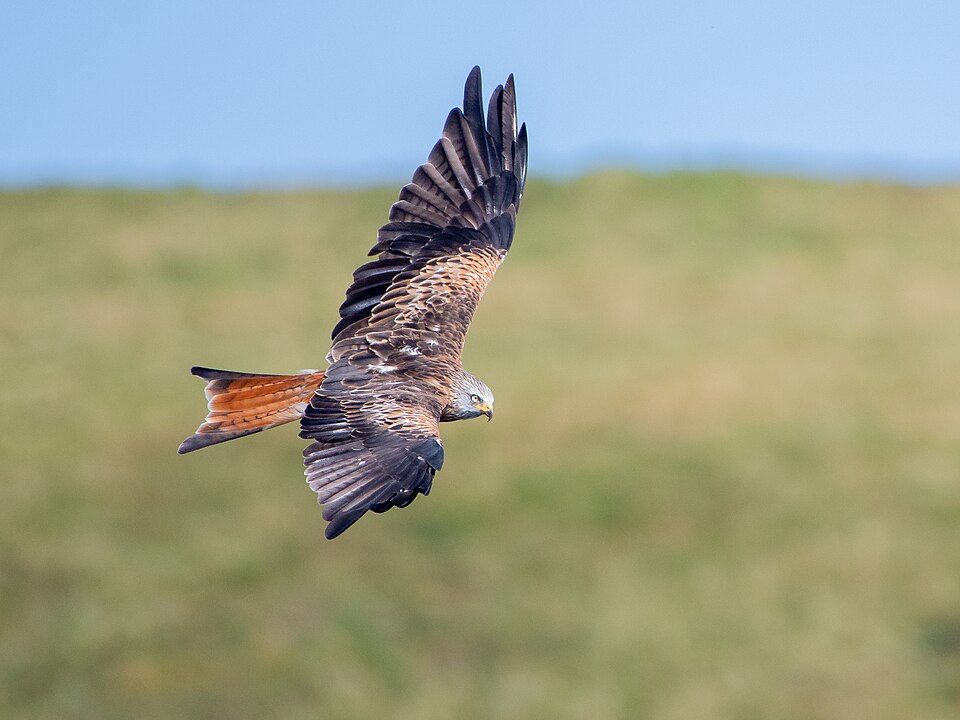
Red Kite in Wales
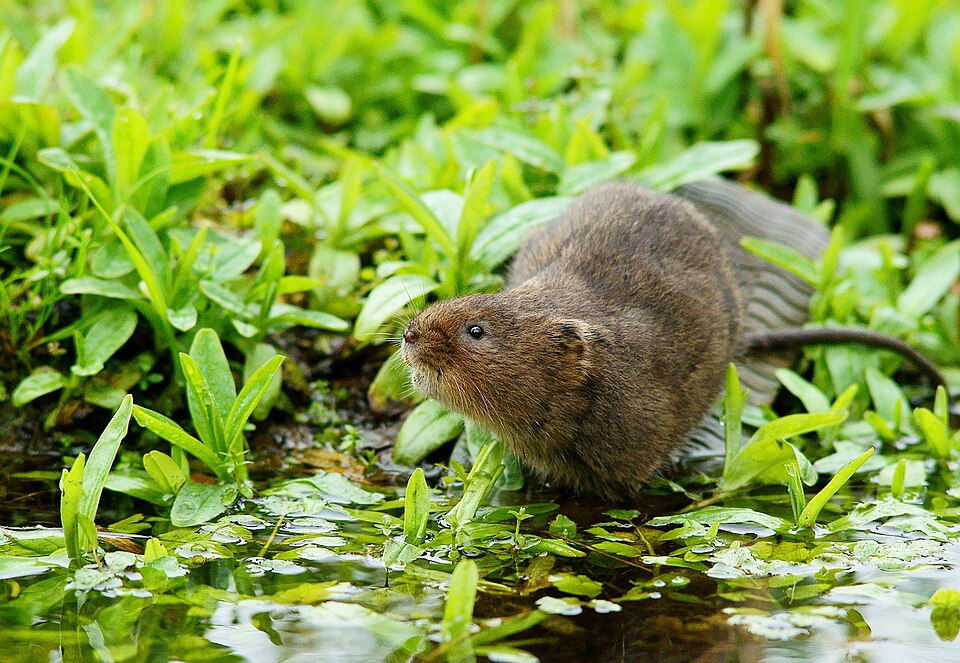
Riverside Water Vole in Arundel