


As a major metropolis London is portrayed as a labyrinthine landscape of concrete and glass festooned with pollution and the racket of city life. As we have previously covered, with a forest cover of 21%, the English capital is technically a forest.
A recent BBC documentary presented by David Attenborough has drawn attention to this fortunate reality of rich urban wildlife. Britain’s most trusted voice in the one-hour episode of Wild London encapsulates how both flora and fauna have adapted to live alongside the city’s more than nine million inhabitants offering a bright perspective on biodiversity in a modern city.
The programme follows Attenborough as he revisits places he has known for decades, observing how wildlife has quietly returned or endured in unexpected locations. Among the most striking examples are peregrine falcons nesting on high-rise buildings and historic landmarks, using ledges that mimic the cliff faces they might otherwise occupy in the wild. Their presence in central London is now well established, with breeding pairs recorded across the city after being absent for much of the twentieth century.
Foxes, usually regarded as rural beasts and historically as vermin, are shown to play an important part of suburban life, while relatively new arrivals in biodiversity terms, ring-necked parakeets have become a regular fixture of many parks and gardens. The documentary also notes that grass snakes live along canals and waterways, and stag beetles are still present in small pockets of dead wood left in urban green spaces. Each example reinforces a central point: cities do not automatically exclude nature, and with suitable conditions, wildlife can persist.
One of the most significant stories featured is the return of beavers to west London. At Paradise Fields in Greenford, a carefully managed enclosure now hosts a pair of Eurasian beavers as part of the Ealing Beaver Project. The animals were reintroduced to help restore wetland habitat, slow water flow, and improve biodiversity. Their dam-building activity has already created ponds that support amphibians, birds and insects, demonstrating how this keystone species can reshape whole ecosystems.
Beavers were hunted to extinction in Britain more than four centuries ago, largely for their castoreum (a fluid historically used in perfumery) and for their furs. Their gradual return to parts of Britain has been closely monitored, and the London project represents one of the most urban reintroductions attempted so far. According to conservationists involved, the site has seen measurable improvements in water quality and habitat complexity since the animals were introduced.
The programme also highlights the scale of London’s green infrastructure. Nearly half of the city is covered in parks, gardens, woodlands and waterways. Data compiled by conservation groups suggests that more than 18,000 species of plants, animals and fungi are found within Greater London, making it one of the most biologically diverse cities (and forests!) in the world.
What sets Wild London apart from many nature programmes is its emphasis on coexistence rather than loss. While acknowledging national declines in wildlife, the documentary avoids apocalyptic language and instead focuses on practical examples of recovery. It presents conservation not as something confined to remote reserves, but as a process that can take place in housing estates, industrial land and local parks.
Attenborough’s involvement carries particular weight. Having spent much of his life documenting wildlife across the globe, his decision to focus on a familiar city landscape sends a clear message about the importance of everyday nature. By drawing attention to species living close to people, the programme encourages viewers to notice and value what already exists around them.
As Britain continues to debate how land should be used and protected, the success stories shown in London offer a measured optimism. They suggest that with planning, tolerance and modest intervention, urban areas can play a meaningful role in national conservation efforts. In a city better known for its traffic and crowds, wildlife is not only surviving, but in some cases quietly thriving!
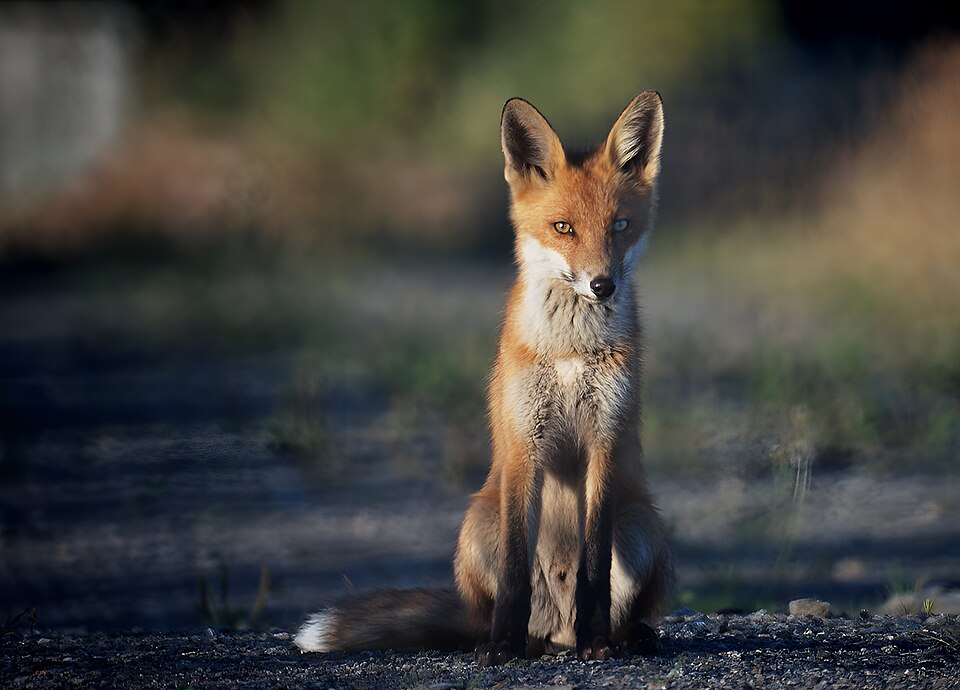
Red fox ( vulpes vulpes )
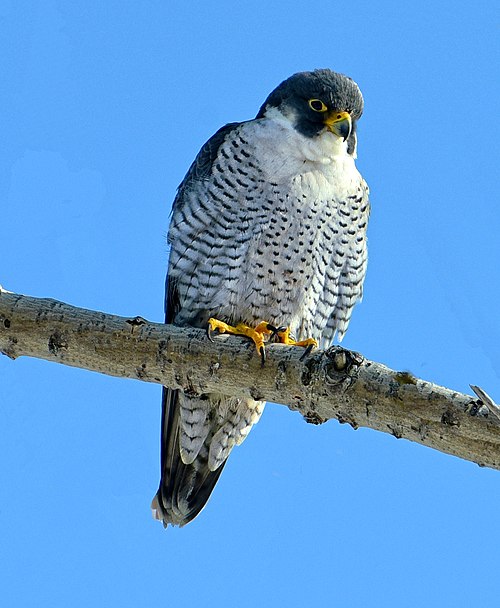
Male peregrine falcon ( Falco peregrinus )
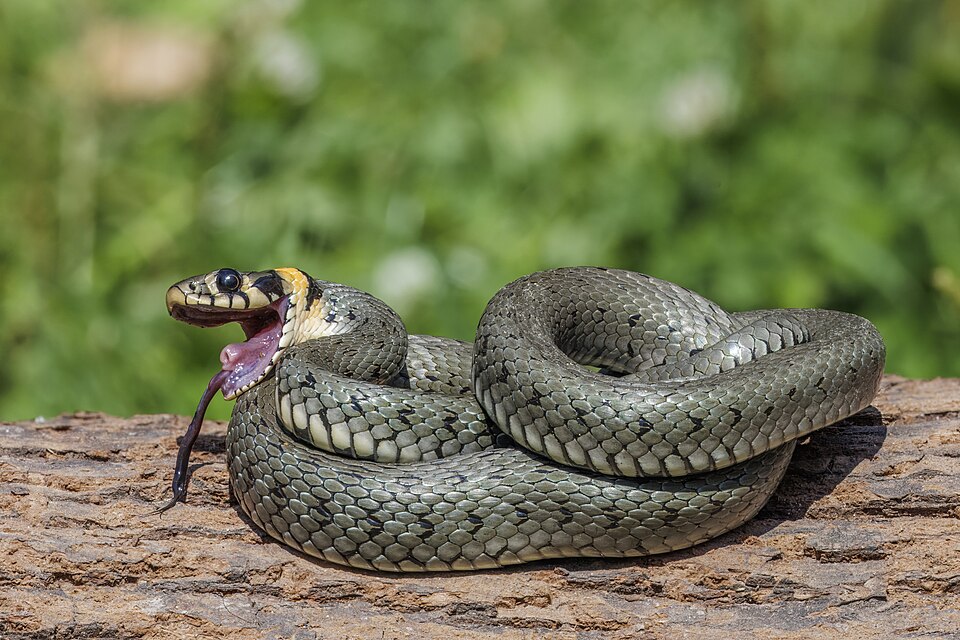
Grass snake ( Natrix natrix )