


Across Britain’s uplands, stretches of dark, waterlogged ground lie quietly underfoot. To many, they appear empty. Bleak, even barren. Places to cross rather than to linger. Yet this perception masks one of the most important landscapes in the country.
Peatlands are not wastelands. They are among Britain’s most important ecosystems, storing more carbon than all its forests combined, shaping the movement of water, and supporting specialised forms of life. Despite this, they have long been misunderstood, drained, and degraded.
They form slowly. Over thousands of years, partially decomposed plants accumulate in waterlogged conditions where decay is limited. Carbon is held in the ground rather than released into the atmosphere. Globally, peatlands cover around three percent of the Earth’s land surface, yet they store roughly one third of all soil carbon. Across the country, they hold an estimated three billion tonnes of carbon, more than the carbon stored in the forests of Britain, France, and Germany combined.
At first glance, they can seem sparse. There are no dense woodlands or obvious abundance. But life is present in quieter ways. Sphagnum moss builds saturated layers that can hold up to twenty times its weight in water. These mosses are central to peat formation and act as natural regulators of water flow. Insects thrive in the acidic pools, and birds such as the curlew and golden plover depend on these open landscapes for breeding. Many of these species are now in decline, closely linked to the condition of the peatlands themselves.
Much of this landscape has been altered. For generations, peatlands were seen as land that needed improvement. Drainage made them usable for agriculture. Peat was cut for fuel and horticulture. Large areas were planted with commercial forestry. These changes disrupted the waterlogged conditions that peat depends on. Once exposed to air, peat begins to break down and release carbon dioxide. Degraded peatlands across Britain are now estimated to emit around twenty million tonnes of carbon dioxide each year.
The loss of function extends beyond carbon. Healthy peatlands act as natural sponges, slowing the movement of water through the landscape. When they are damaged, water runs off more quickly, increasing the risk of flooding downstream. They also play a role in filtering drinking water, which has direct implications for water treatment costs.
Around eighty percent of the Britain’s peatlands are now considered to be in a degraded state.
The reasons are not only practical. They are also cultural. Peatlands have often been seen as unproductive or lacking value. That perception has shaped how they have been treated.
There are signs that this is beginning to change. Organisations such as RE-PEAT have focused on how peatlands are understood as much as how they are managed. Through art and storytelling, they present these landscapes as places with depth and meaning, rather than emptiness.
Restoration efforts are now underway in different parts of the country. Drains are being blocked to re-wet the land, and peat-forming vegetation is being encouraged to return. The aim is to stabilise the peat and reduce emissions. This is a long-term process. Peat forms at a rate of roughly one millimetre each year, which means that the damage of decades cannot be reversed quickly.
When restored, peatlands can once again store carbon, regulate water, and support the species that depend on them. Their value lies in how they function over long periods, rather than in immediate output.
To understand peatlands properly requires a shift in perspective. They are not dramatic landscapes, and they do not always reveal their importance at a glance. But they play a quiet role that is easy to overlook.
If they continue to be seen as marginal, they will remain vulnerable. If they are recognised for what they are, their restoration becomes an essential part of how Britain responds to environmental change.
Peatlands are not wastelands. They are part of the country’s ecological foundation, shaped over centuries and still shaping the landscape today.
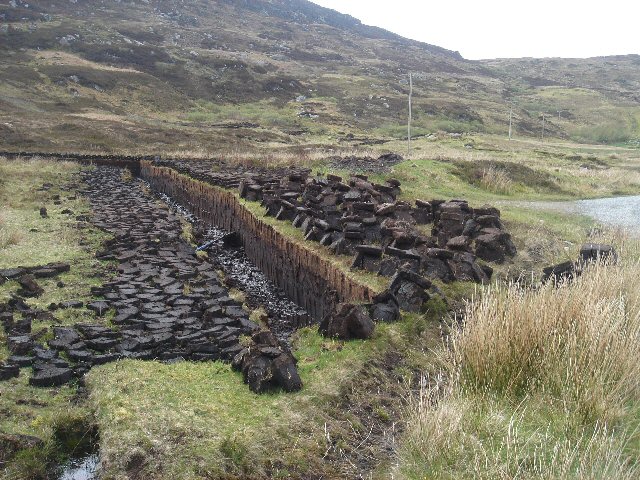
Peat cuttings near Loch Eynort
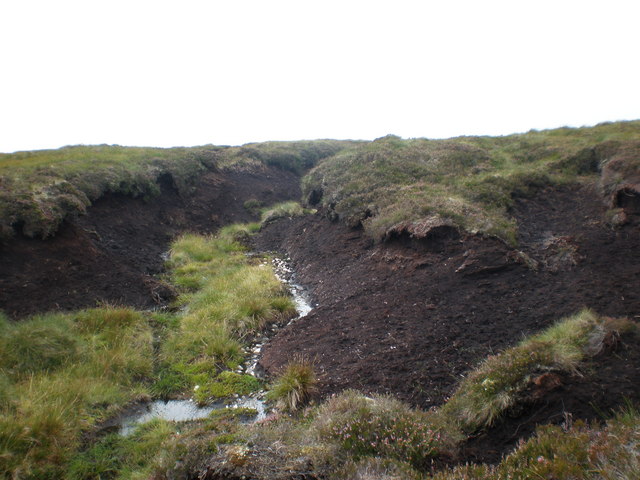
Peat haggs. Scottish Highlands
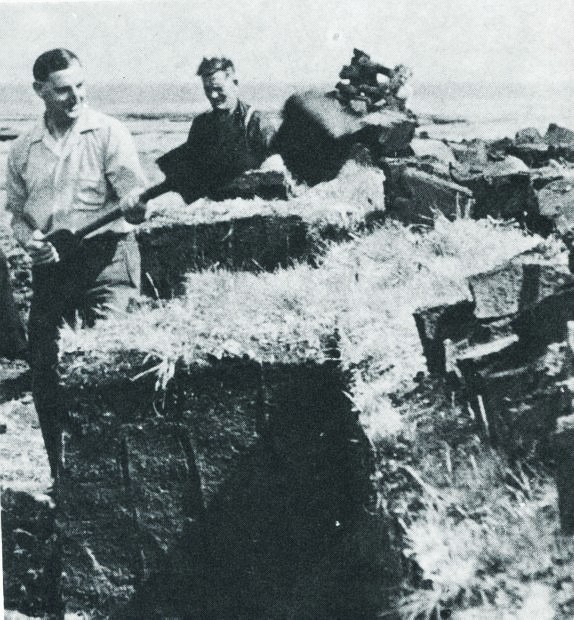
Falkland Islanders shovelling peat
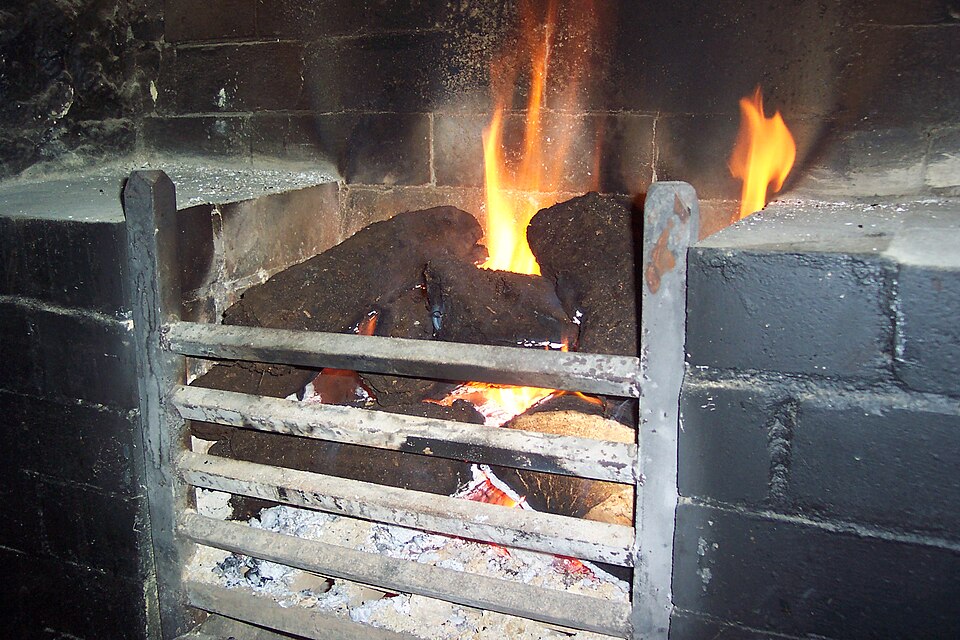
A peat fire