


Twenty miles off the coast of Devon, the windswept island of Lundy has become the setting for one of Britain’s most impressive recent conservation success stories.
More than 40,000 seabirds now call the island home, the highest number recorded since the 1930s. Among them are around 25,000 Manx shearwaters, representing an extraordinary 95% of England’s breeding population, alongside 1,335 puffins and more than 150 pairs of breeding storm petrels.
The scale of this recovery is particularly remarkable when compared with the situation at the beginning of the century.
For many years, Lundy’s ground-nesting seabirds had faced a devastating threat from invasive rats. Accidentally introduced to the island through visiting ships and shipwrecks, the rodents preyed upon eggs and chicks, placing enormous pressure on vulnerable bird populations.
Puffins had been pushed particularly close to local extinction. In 2001, just 13 were counted on the island.
In response, Natural England, the RSPB, the National Trust and the Landmark Trust worked together on an ambitious rat eradication programme. The project began in the early 2000s and, in 2006, Lundy was officially declared rat-free.
What followed provides a striking example of nature’s ability to recover when a major source of pressure is removed.
Seabird populations began to rise. Puffins returned in growing numbers, while Manx shearwaters flourished. In 2014, storm petrels were confirmed breeding on Lundy for the first time. Today, more than 150 pairs breed there.
The work, however, did not end with the removal of the rats. Strict biosecurity measures continue to help prevent rodents from returning aboard boats, while regular monitoring allows conservationists to track the health of the island’s bird populations.
Lundy’s recovery is an important reminder that conservation does not always require complex solutions. Sometimes, identifying and removing a single overwhelming threat can allow an ecosystem to begin repairing itself.
At a time when many of Britain’s seabird populations are under serious pressure, Lundy offers an encouraging vision of what long-term commitment, cooperation and carefully targeted conservation can achieve.
From just 13 puffins to a seabird colony of more than 40,000 birds, the transformation of Lundy is difficult to describe as anything other than extraordinary.
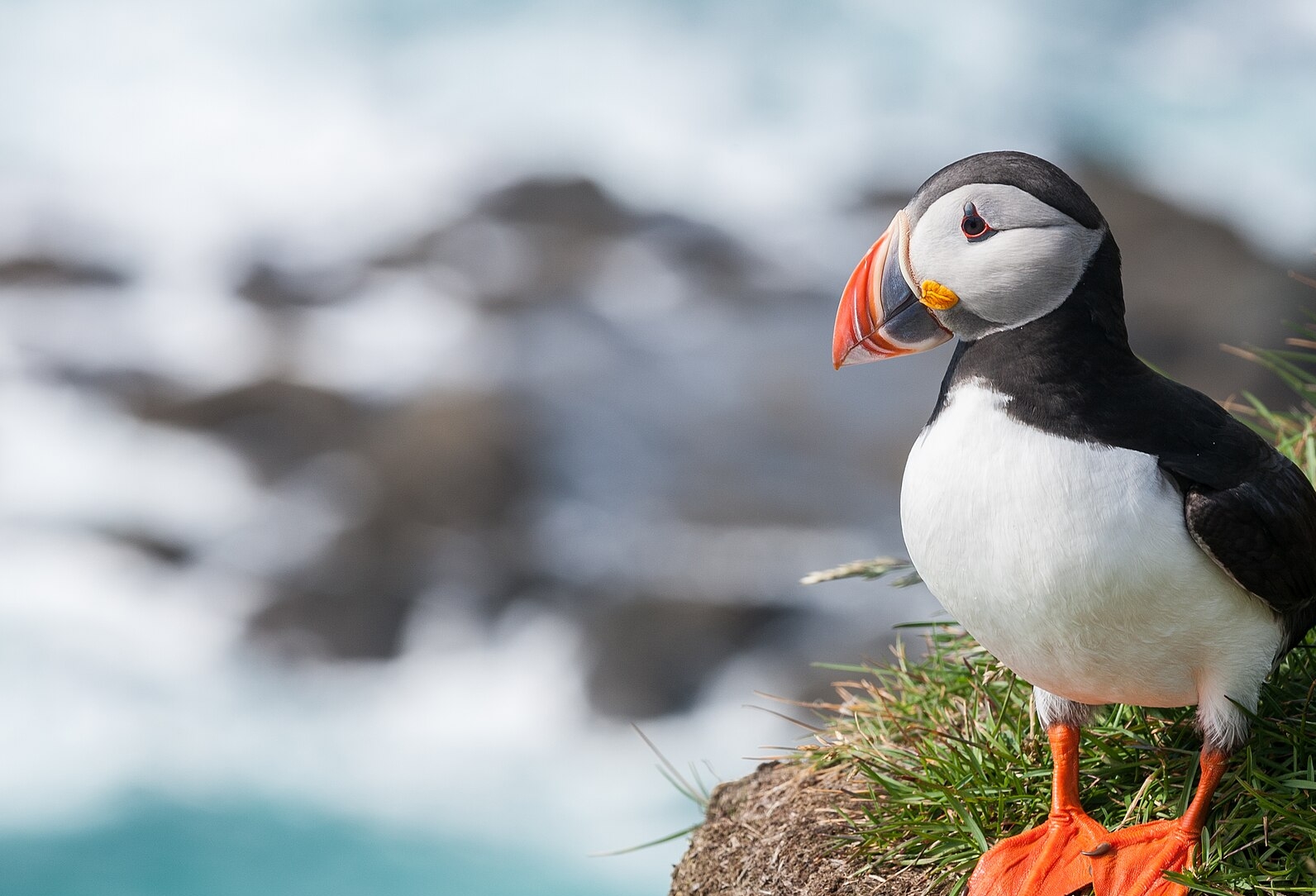
Atlantic Puffin ( Fractercula artica )
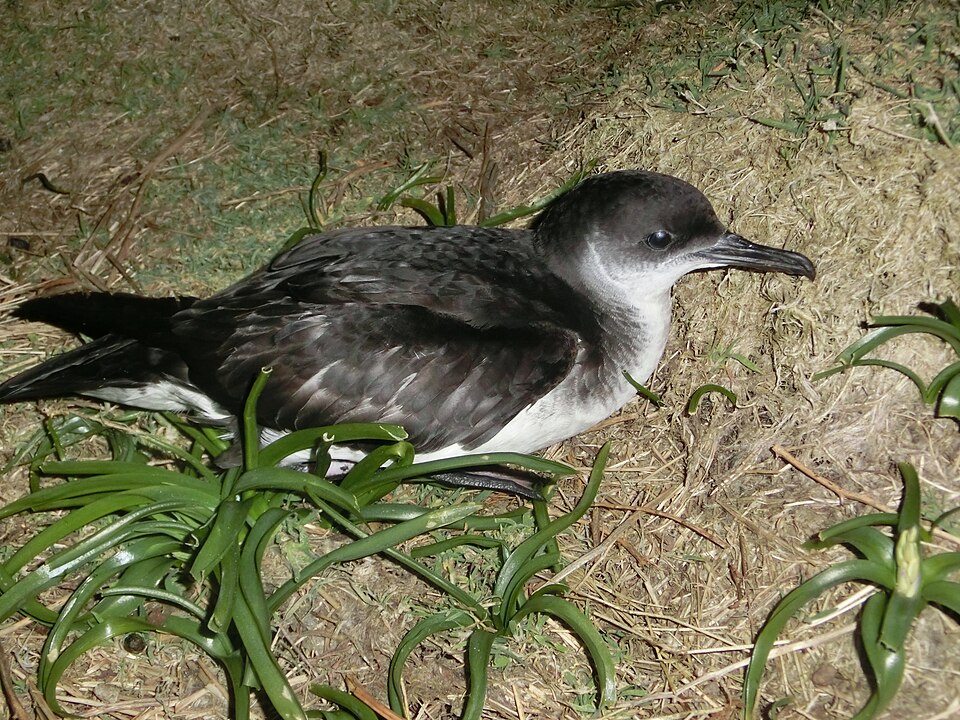
Manx Shearwater (Puffinas puffinas )
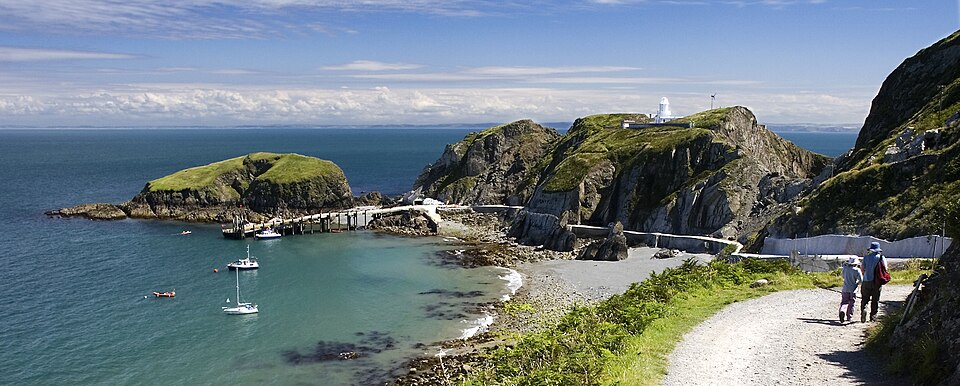
Lundy Island Jetty north of mainland Devon