


New figures from Defra show that farmers and land managers in England have applied for funding to plant around 2,500 kilometres of new hedgerows through this year’s Capital Grants scheme. Applications have also been submitted to restore around 1,300 kilometres of existing hedges using traditional hedge-laying techniques.
For something that can easily fade into the background of the British countryside, this is important news.
Hedgerows are much more than field boundaries. A healthy hedge can provide food, shelter and nesting space for birds, insects and small mammals. Species such as yellowhammers, linnets and whitethroats make use of them, while bats and other animals often follow hedgerows as they travel between feeding and roosting areas.
Perhaps just as importantly, hedges connect different habitats.
A woodland, pond or meadow may support plenty of wildlife in isolation, but animals still need safe routes between these areas. Hedgerows act as natural corridors across farmland, helping to join otherwise fragmented patches of habitat together.
This has become increasingly important as Britain’s countryside has changed.
Large numbers of hedgerows were removed during the twentieth century as fields were enlarged and farming became more intensive. Even among those that survived, condition varies considerably. Some have become thin or gappy, while others are repeatedly cut back so tightly that they offer relatively little shelter.
Traditional hedge laying can help reverse that decline. The technique involves partially cutting stems and laying them at an angle, encouraging new growth from the base and producing a thicker, healthier hedge. It is an old rural skill, but one with very modern conservation benefits.
The new applications suggest there is real appetite among farmers to bring it back. Defra says around 2,500 farmers applied for support for hedge laying this year, alongside thousands more seeking funding for new planting.
There are practical benefits for farms too. Hedgerows can reduce soil erosion, provide shelter for livestock, store carbon and slow the movement of water across the land.
None of this makes hedges especially dramatic. They rarely receive the attention given to forests, wetlands or major rewilding projects.
Yet they are one of the threads holding the British countryside together.
If even a large proportion of the proposed planting and restoration goes ahead, thousands of kilometres of new and healthier habitat could begin appearing across England. For wildlife moving through an increasingly fragmented landscape, that could make a very real difference.
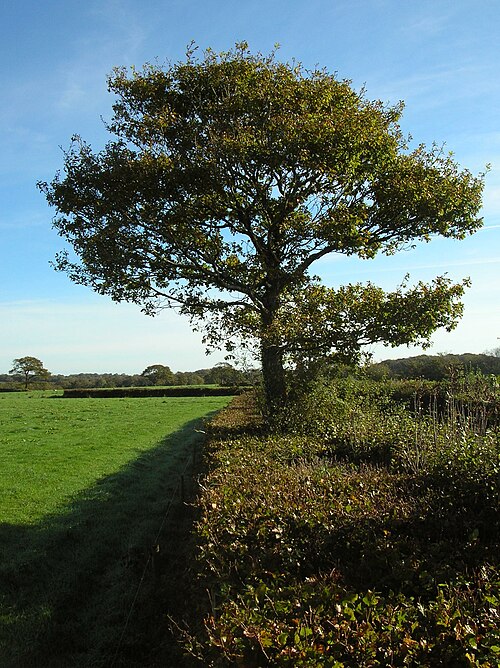
Oak and beech hedgerow
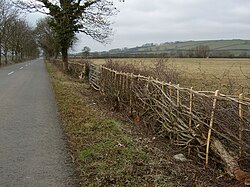
Traditionally crafted hedging. Middleton, Northamptonshire.