


Some of Britain’s most familiar wild plants are proving to be important allies in the conservation of our pollinating insects.
Ivy and brambles are often treated as unwelcome visitors to gardens, cleared away to make room for tidier vegetation. Yet new findings from the UK Pollinator Monitoring Scheme suggest that these overlooked plants may be among the most valuable resources for Britain’s pollinators.
The findings draw on eight years of observations, with thousands of volunteers recording insects visiting flowers during ten-minute surveys across Britain.
Common ivy (Hedera helix) emerged as the most frequently visited plant, attracting an average of 22 insects per survey. Hogweed followed closely with 20, while brambles and several other familiar wild plants also proved particularly attractive.
Ivy’s importance is especially striking.
Its small, greenish-yellow flowers appear in autumn, when much of the countryside has already finished flowering. For insects searching for nectar and pollen before winter, these modest blooms provide an important source of nourishment.
Butterflies such as the red admiral and comma make use of its late-season flowers, while the holly blue depends on ivy as one of its breeding plants.
Brambles have an equally valuable role beyond their flowers. Their dense growth offers shelter to birds and small mammals, while their berries provide food as summer gives way to autumn.
The research comes at a difficult time for Britain’s pollinators.
Separate findings from the monitoring scheme show that hoverflies, an important group of pollinating insects, have declined by approximately one-third in both abundance and species richness between 2017 and 2024.
However, there are encouraging signs elsewhere. Some bee populations have shown increases in the monitoring data, particularly in garden environments.
The findings underline the ecological importance of Britain’s gardens and other small green spaces, which can provide valuable habitats even in heavily developed areas.
For gardeners, there are some relatively simple ways to help. Allowing ivy to flower or leaving a patch of brambles undisturbed can provide insects with important feeding opportunities.
Across Britain, these small decisions could collectively make a difference, especially where suitable habitats have become increasingly fragmented.
The research is also a reminder that plants need not be rare or visually impressive to have considerable ecological value. Some of Britain’s most useful wildlife habitats are already growing in our gardens, often unnoticed and sometimes unwanted.
Perhaps the British garden need not always be perfectly ordered. Sometimes, a little wildness is precisely what nature needs.
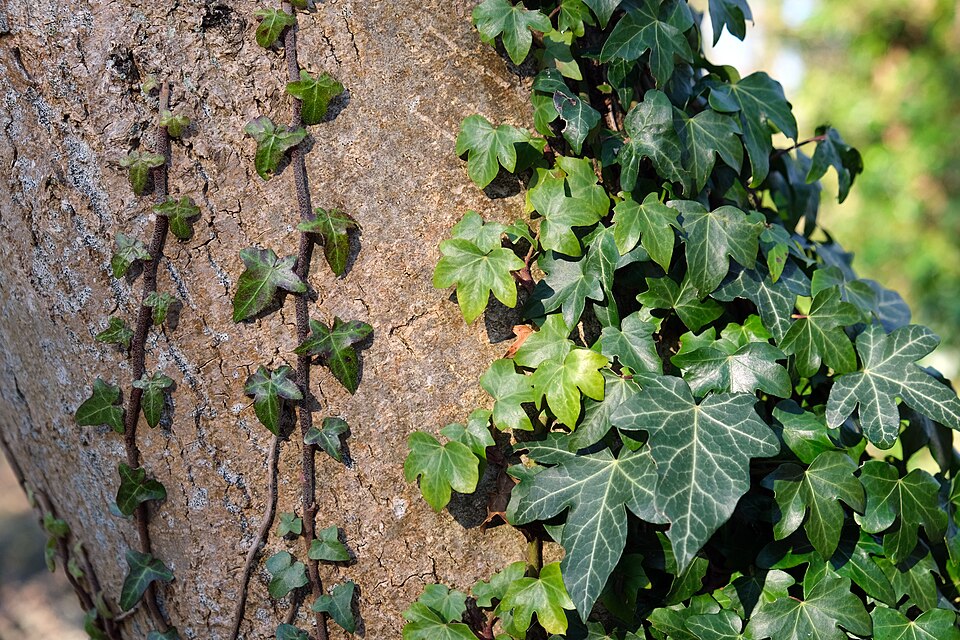
Hedera helix , Dover UK
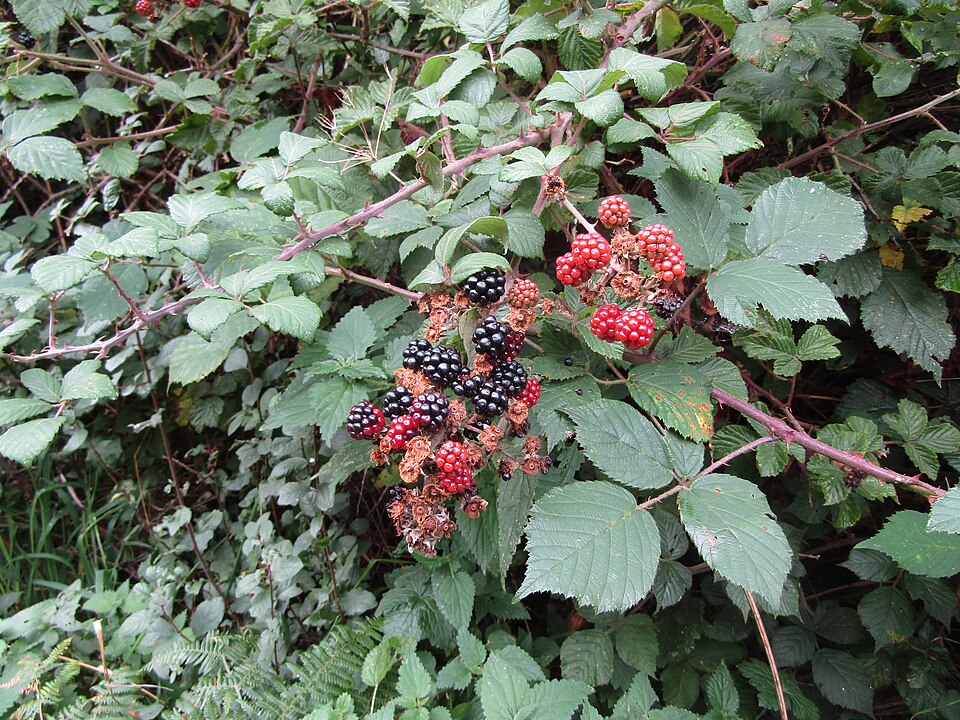
Coastal bramble, Trimingham
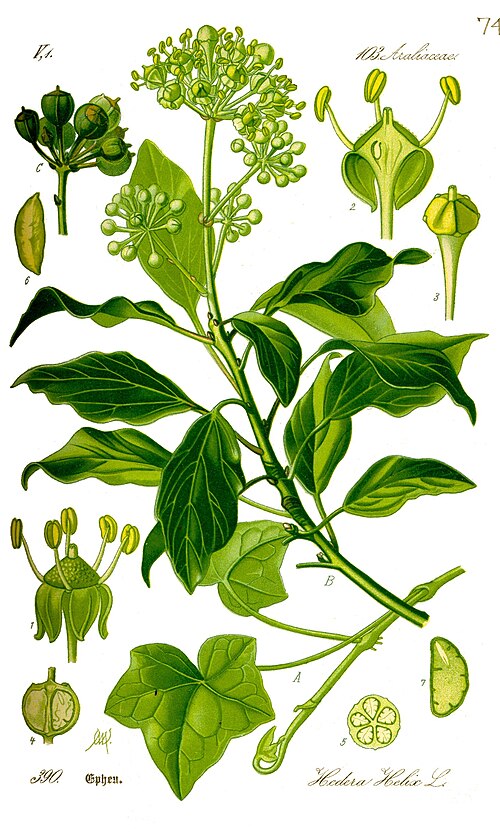
An 1885 illustration of Common Ivy