


Across our islands lie landscapes steeped in soft, unfolding beauty, shaped by the hands of Britons and by the drift of wind and weather.
Spread along limestone ridges drifting out through Oxfordshire and into Gloucestershire, the Cotswolds stand as a witness to the old bond between the English people and the land itself, with hamlets tucked into the hollows and rises of the valleys. Honey-hued villages, tumbling dry-stone walls, thickets alive with birdsong.
After long ages of pastoral farming and grazing, generations of care have shaped not only a fair and well-loved countryside, but places of deep cultural and natural worth. In 2023, the national initiative for Areas of Outstanding Natural Beauty (AONBs) shifted focus towards “National Landscapes” to stress that these are not merely scenic postcard backdrops, but crucial spaces for biodiversity recovery, climate resilience and public wellbeing.
With over a thousand square miles of rolling hills, the Cotswolds National Landscape is one of Britain’s largest protected regions and draws a good share of the country’s conservation aims.
Laid upon a bed of Jurassic oolitic limestone that breaks down into calcareous, life-rich soils, the hills hold some of Britain’s richest grassland, known for its astonishing mix of plant life: in some places a single square yard of turf has been found to bear over forty species.
Though the region has not been spared the strains of heavy agriculture, the agrarian instincts that mark the Cotswolds have brought swift action to mend hedgerows, cleanse rivers and replenish woodlands as part of the across the counties Nature Recovery Plan. This includes widening networks of grassland and overall habitat connectivity across the hills. Schemes such as Farming in Protected Landscapes have urged landowners to trial initiatives to bring conservation and rural livelihoods together.
Projects have also risen among volunteer groups to restore meadows, monitor wildlife, rebuild ancient stone walls and maintain footpaths.
Local parish-level trials seek to link fragmented habitats through gardens, greens and small woodlands. These quiet undertakings form the unseen framework that lets nature find its way back. Importantly, they reflect how conservation in the Cotswolds is becoming something shared: a partnership between local residents, farmers, conservation bodies and visitors.
The region’s renown for tourism brings its own burdens: worn footpaths, roadside parking pressure and increased litter, all require careful and ongoing management. Climate patterns are becoming less predictable, with hotter summers, shifts in rainfall and changing seasonal behaviour in plants and animals. And although the National Landscapes rebranding has drawn attention to the importance of protected areas, long-term funding remains uncertain and thin.
The Cotswolds show that the care for nature can sit well with the life of the countryside. Many farmers depend on healthy soils, strong hedgerows, pollinator populations and steady watercourses: features that conservation programmes seek to protect. Nature recovery is no far-off theory, it underpins the resilience of the communities who live and work there.
There is also a human strand that is harder to weigh, yet no less real. Walking the wolds or pausing beside an old hedgerow can restore the spirit in ways that slip past tidy speech. Protected landscapes uphold our wellbeing not only by sheltering wildlife but by keeping places where people may breathe, think, and fall back in step with the rhythms of Britain.
The Cotswolds are no still painting of rural England. They are a living pledge that working landscapes, shaped by stone, story, toil and care, can form the backbone of our natural renewal. Their future rests on how well these threads can be bound together: law with craft, tradition with innovation, and natural beauty with the needs of the folk who call the hills their home.
If any landscape can rise to that calling, it is here: ancient limestone hills that have long held far more life, and far more meaning, than they ever show at first glance.
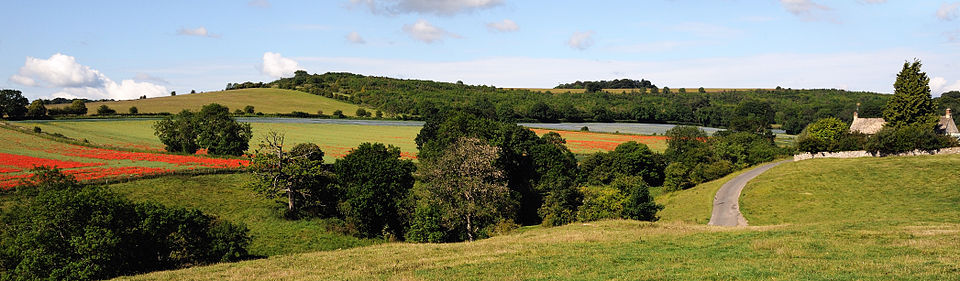
Rolling hills of the Cotswolds near Coberley
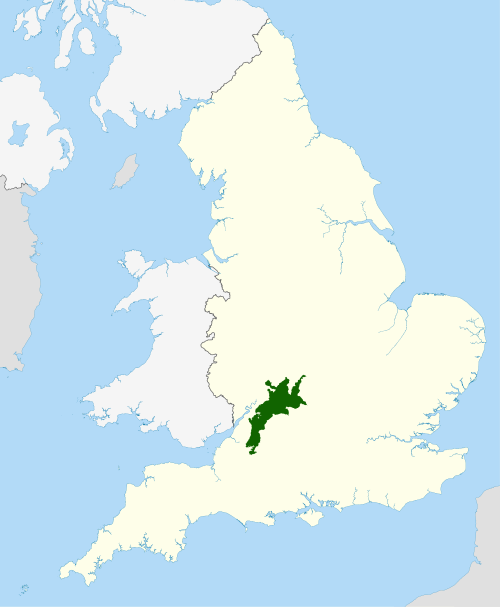
Location
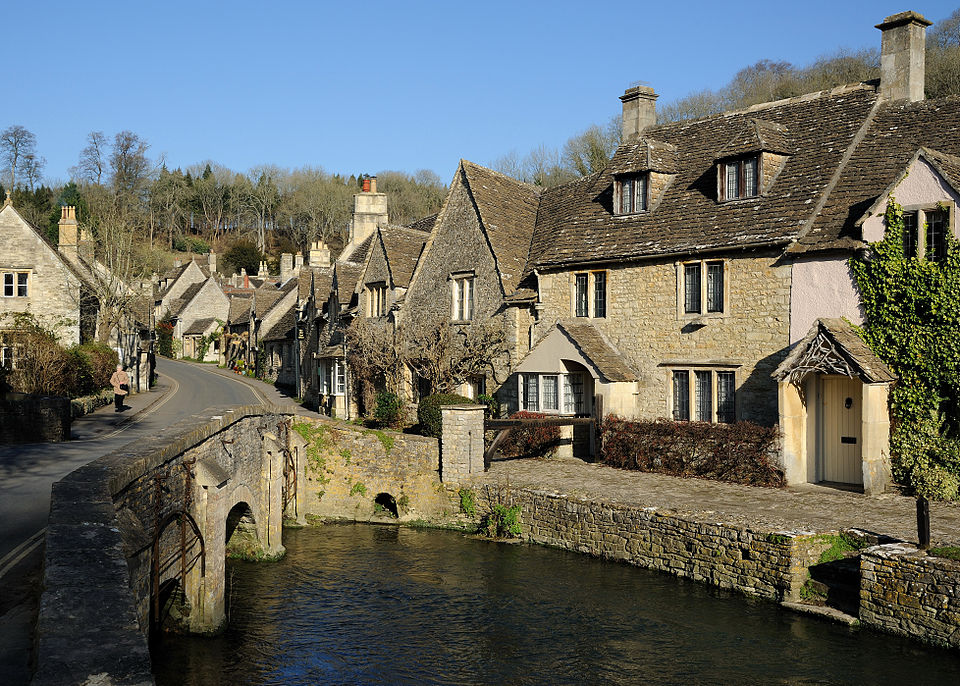
Castle Combe village
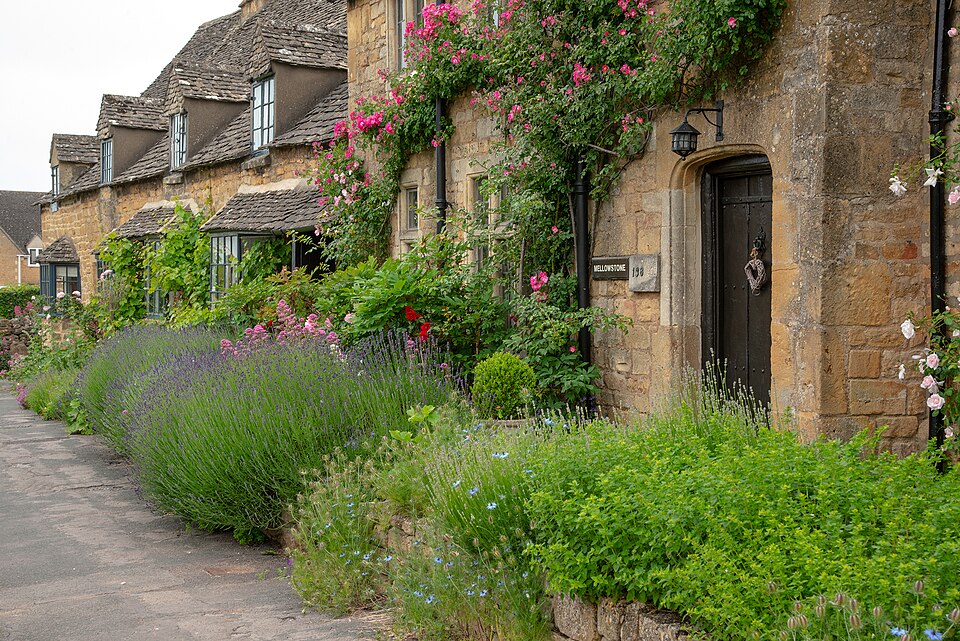
Row of houses in Broadway