


High in the heart of Devon lies Dartmoor: a wild sweep of heath and high ground, wind-scoured and bright with stone, where bogs hold the rain and granite tors rise like great grey sentinels. The vast carvings of it feels older than England: hills that remember. Mist slips through the gorse; heather shakes in the wind; ponies wander the slopes with an ease born of the moor itself. This is no gentle farmland, but lands that have shaped its people as surely as they have in-turn shaped it.
For all its strength, the moor has grown worn with the years resting heavy upon it. Much of Dartmoor’s high ground rests on blanket peat: deep, delving, dark earth that stores water and locks away old nutrient stores. Years of heavy grazing, long droughts, and sudden storm-floods have cracked and ripped at the earth, leading to waters flooding into the brooks below. What is wild and boundless is fragile.
So the work of repair has begun. Wardens, volunteers, and local farmers have been closing old drainage cuts, letting the rain settle again on the moor. Sphagnum moss (Sphagnum flexuosum) is being reintroduced to many mires, spreading slowly, helping the ground hold water and rebuild. These quiet tasks: a blocked gully here, a patch of moss there, help steady rivers, soften floods, cool streams, and making safe the homes of ground-nesting birds. Funds in the last two years have strengthened this work, marking Dartmoor as one of the key uplands in England’s climate and water resilience plans.
These works on the moor have brought their own quarrels, too. Grazing levels have been under debate, with new trials testing lighter herds in some places and steadier numbers in others, to let heather and bilberry grow back and offer shelter to birds such as curlews and skylarks. Wild camping, a long-loved freedom here, has also been weighed and rebalanced. After months of dispute, a new agreement restored the right to sleep under the open sky in chosen areas, while still protecting the land from overuse. It is a compromise many see as fair, fitting for a place where freedom and care must walk side by side.
The weather is shifting. Hotter, drier summers bring a sharper threat of wildfires. Winters swing between deep rain and sudden frost. Rangers keep close watch, and communities learn how easily one stray ember can set the slopes alight. Paths wear into ruts under heavy rainfall; dry spells leave streams thin and weak. The moor is adjusting under the weight of a changing climate, and those who tend it must adjust their craft in turn.
Yet all around the moor’s edge, people are working to heal and hold the land. Stone walls are rebuilt where they’ve fallen; brooks cleared of storm debris; old paths steadied with turf and stone. Schoolchildren kneel in re-wetted bogs to lay moss; elder folk teach of hut circles and long-forgotten field edges. These small acts, humble but steady, tie people to the land more firmly than any policy. They remind us that Dartmoor is not kept by rules alone, but by hands and hearts willing to work for it.
For the moor gives much in return: clean water, strong soil, room for thought, and a glimpse of England as it once was: rugged, wind-carved, standing firm against the years. To care for Dartmoor is to keep a living thread of the old country alive: stone, story, and open sky woven through with the work of many lives.
Dartmoor cannot be tamed, and its worth lies in that stubborn wildness: the heaths rolling under cloud-shadow, the hush of the bogs, the lone call of curlews, the dark still pools where sky meets earth. Though the moor changes, as all things must, its heart holds steady: granite, weather-worn and wind-sung, waiting for anyone who walks open-eyed upon it.
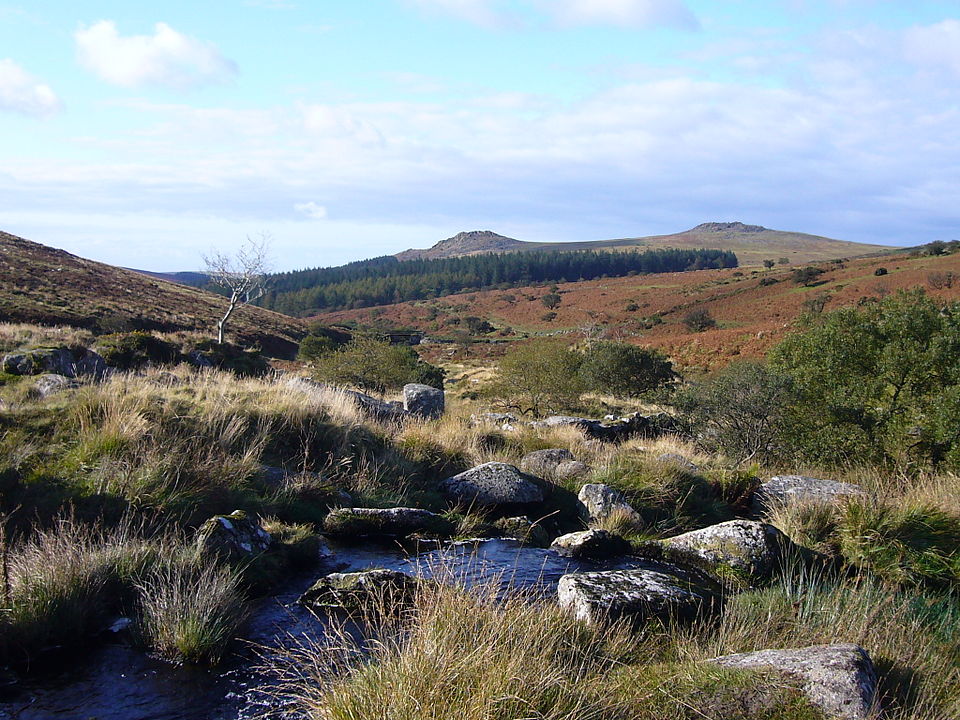
View to Sharp Tor & Leather Tor over the valley of the River Meavy
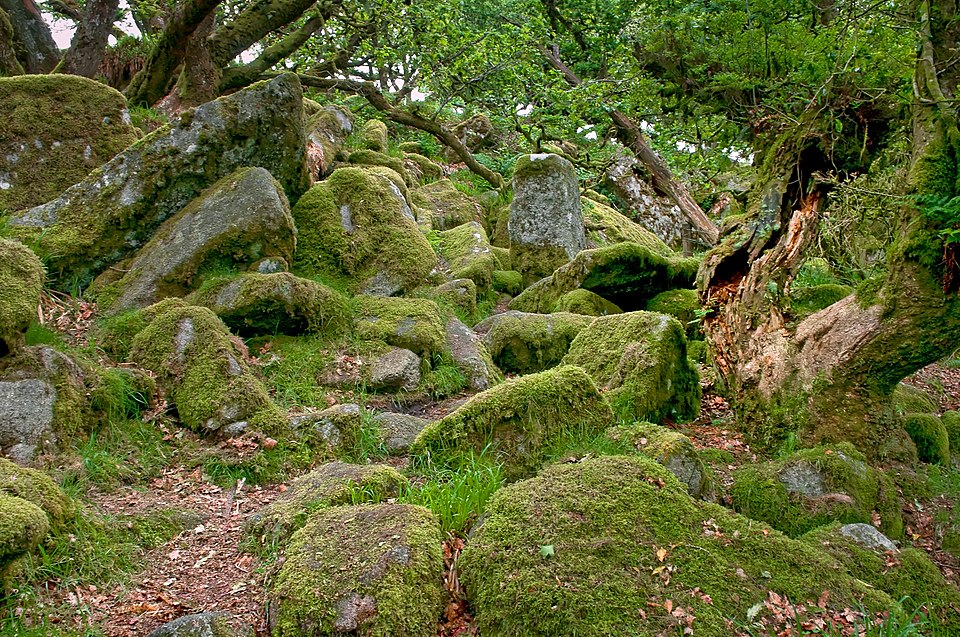
Wistman`s Wood
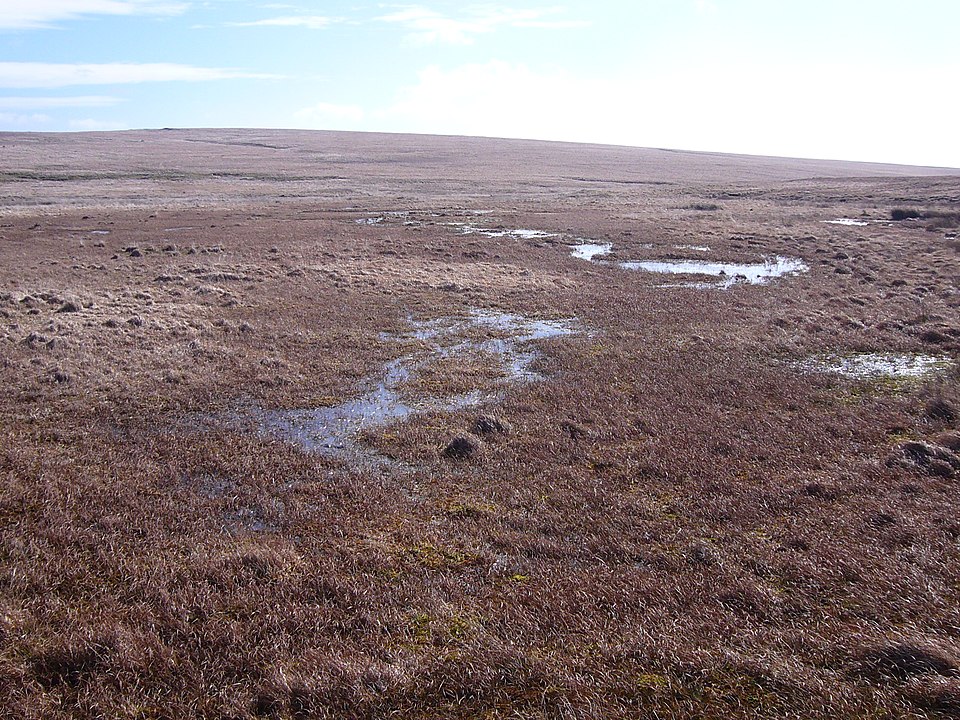
Aune Mire. Source of the River Avon