


Ospreys (Pandion haliaetus), once extinct as a breeding bird in Britain, have made a strong recovery, with more than 300 pairs now nesting across the country.
The diurnal birds of prey, which feed almost exclusively on fish, were wiped out in the early 20th century through hunting, egg collecting and persecution. Their return began in 1954 when a pair from Scandinavia nested at Loch Garten in the Scottish Highlands.
Since then, numbers have steadily increased. In Scotland the species has expanded from the Cairngorms into Perthshire, Moray and beyond, while reintroduction projects at Rutland Water and on the Dyfi Estuary in Wales have established populations further south. New nests have also been confirmed this summer in Northumberland and the Lake District.
Conservationists describe the osprey as one of Britain’s most successful recovery stories. Dr Tim Mackrill, who led the Rutland Water Osprey Project, said the increase was the result of “decades of protection and public support”. He added: “Ospreys are long-lived and don’t start breeding until they are three or four years old. Building a population takes time and patience.”
The RSPB has played a leading role in the recovery, providing protection at key nest sites and operating public viewing centres. The Loch Garten Osprey Centre has become a major attraction, and thousands of people now visit osprey hides each summer.
The birds migrate to West Africa each autumn, travelling up to 5,000 miles. Satellite tracking has provided detailed information about their journeys across the Sahara and along the Atlantic coast. Many birds return to the same nests annually.
Despite the success, ospreys still face risks. Illegal persecution still occurs, and there are concerns about disturbance from people approaching nests. Climate change is also likely to affect fish populations and migration patterns, creating further challenges.
Professor Des Thompson of NatureScot said the return of the osprey showed that conservation could deliver results. “This is a story of recovery that should give us hope,” he said. “We have brought a species back from extinction in Britain and secured its future.”
Conservation groups now hope ospreys will continue to expand into southern England and Ireland. For many communities, the presence of breeding pairs has already brought tourism income as well as renewed pride in their local environment.
From a single pair 70 years ago to hundreds of nests today, the osprey’s recovery has been hailed as proof that long-term protection, public involvement and international cooperation can reverse even the steepest declines.
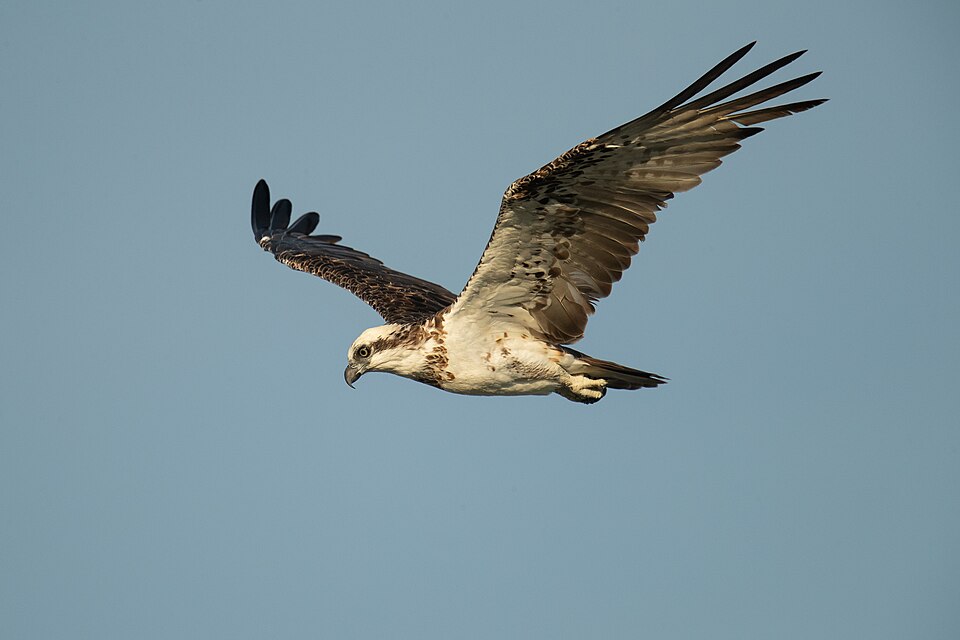
Eurasian Osprey in flight
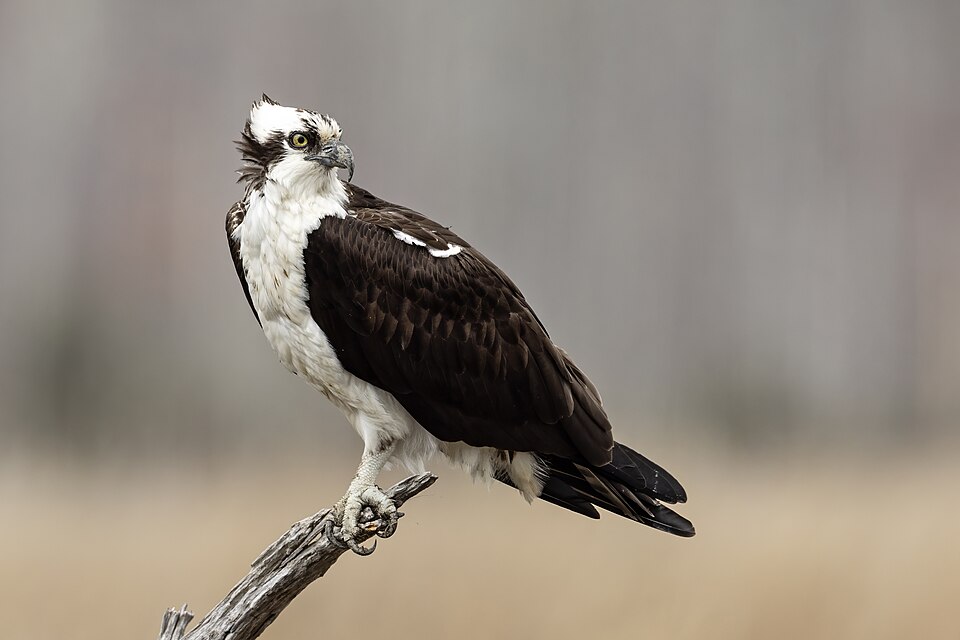
Osprey perched on a Snag
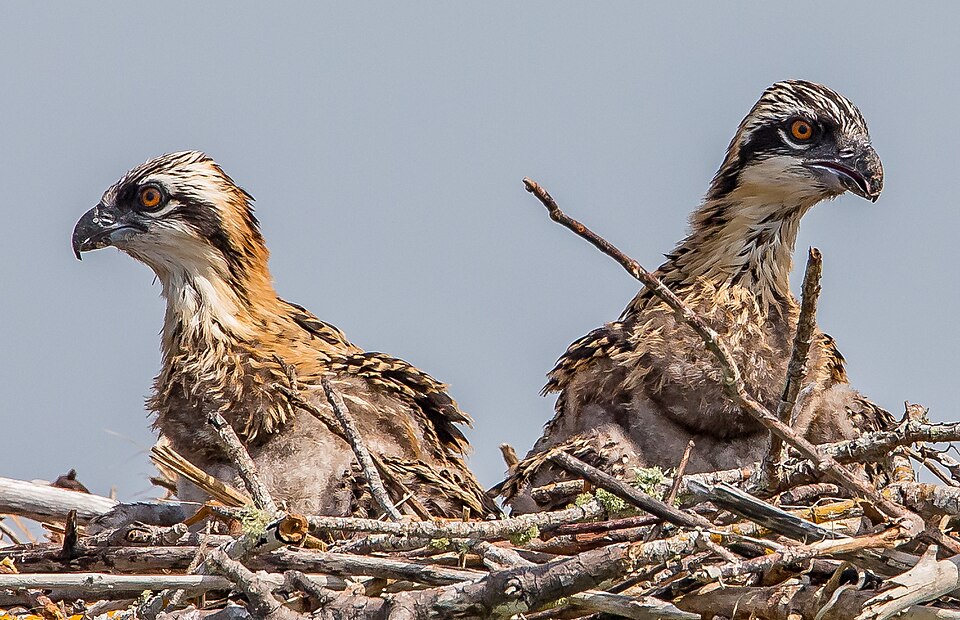
Five week old chicks