


There is something cheering about the return of a bird that was nearly lost.
The Dartford warbler ( Sylvia undata ) is not a grand or famous species. It is small, dark and restless, often difficult to spot unless you know where to look. It keeps low among gorse and heather, flicking through the scrub with its tail cocked and its reddish eye just catching the light.
It feels like a bird shaped by the heath itself: half-hidden, hardy, and full of character.
For much of the last century, that close relationship almost became its undoing.
Lowland heathland has been one of Britain’s most heavily reduced habitats, lost to development, forestry and changing land use. The Dartford warbler, being so dependent on this landscape, had little room to adapt.
After the severe winters of the early 1960s, the species came perilously close to disappearing from England. That is why the latest figures are worth pausing over.
A 2025 RSPB survey recorded 264 breeding pairs on its reserves, an increase of 44% in five years. Across the country, the population is now thought to be around 4,100 pairs.
These are not enormous numbers, but they are a long way from the handful that once survived in Dorset.
The recovery has not happened by luck.
It has come through careful habitat restoration: managing heathland well, opening up former plantations, protecting breeding areas and keeping these rare landscapes in good condition.
Places such as Arne in Dorset and Aylesbeare in Devon have become strongholds, not just for Dartford warblers but for the wider wildlife of the heath.
There is a lesson here, and it is a quietly hopeful one. Nature does not always need dramatic interventions. Often it responds best to steady work carried out over many years.
Increasingly on some warm days, when a small dark bird darts through the gorse and sings from the top of a stem, it becomes easier to believe that some losses can be reversed.
Little by little.
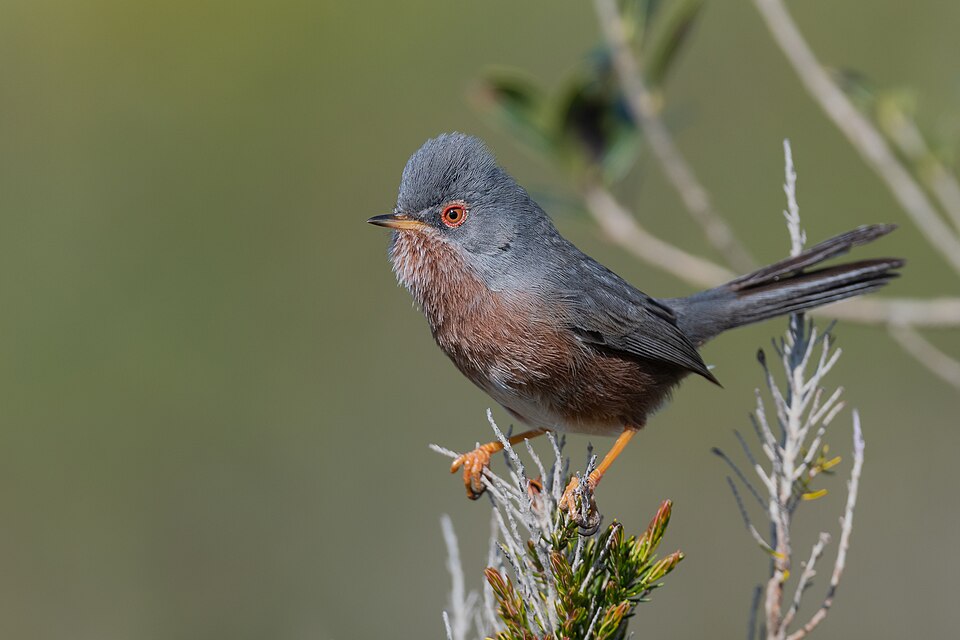
Male Dartford Warbler
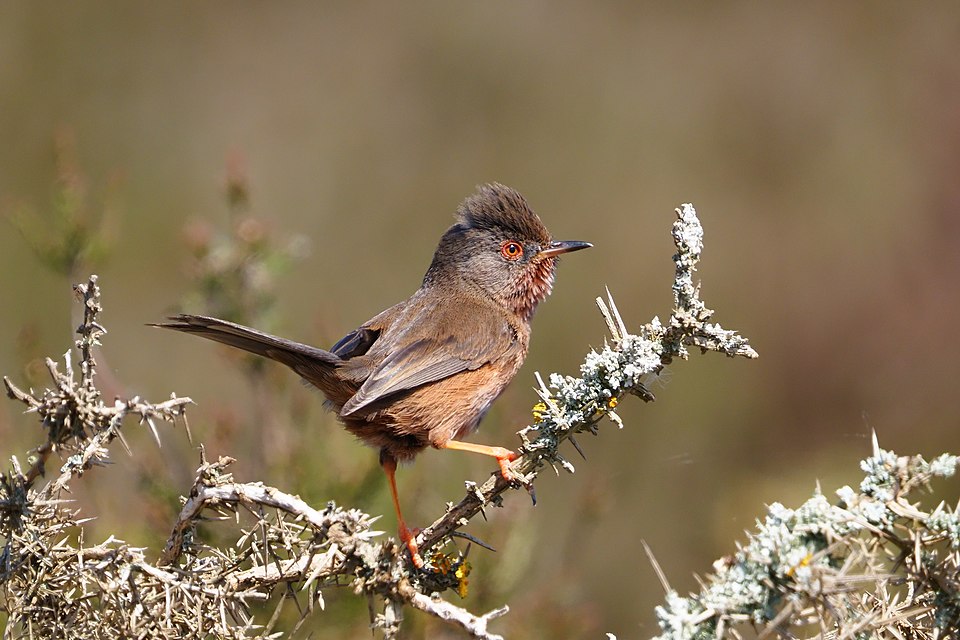
Female Dartford Warbler
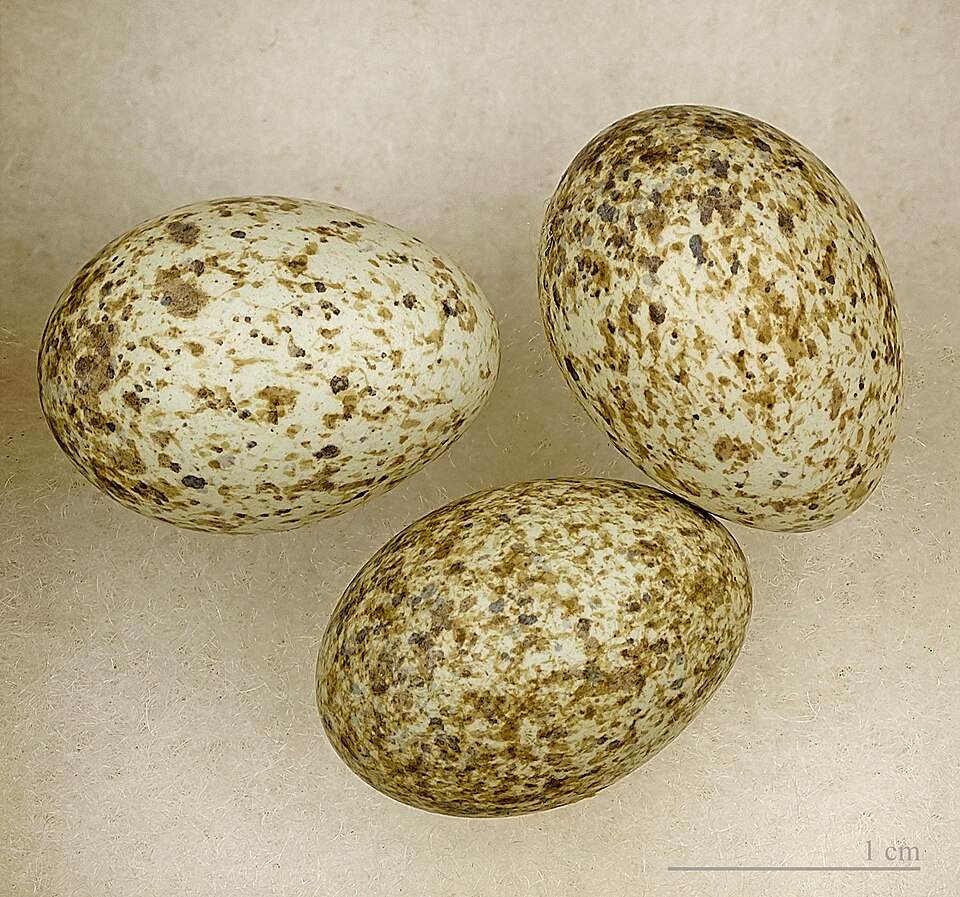
Dartford Warbler Eggs