


A recent study focused on the Isles of Scilly has revealed compelling evidence that marine life can flourish when authorities take protections seriously, and it is fuelling renewed calls from scientists and conservationists for stronger safeguards in other parts of Britain’s seas. Underwater cameras deployed off these remote islands have captured vibrant seafloor ecosystems: lobsters, octopuses, sharks, even bluefin tuna – all thriving in ways often unseen elsewhere. The researchers reported that their findings are not just rare, but illustrative: when destructive practices like bottom-trawling are kept at bay and marine protected areas are well enforced, seascapes recover substantially.
The work was led by the University of Exeter, in partnership with the Isles of Scilly Inshore Fisheries and Conservation Authority and Natural England. Their footage was gathered using baited remote underwater video systems, which are relatively low cost yet highly effective for monitoring species presence and behaviour. Over several deployments, these systems revealed dense populations of key species, some of which are sensitive to habitat disturbances. Lobsters were found sheltering in crevices, octopuses displayed foraging behaviour that suggests prey is in abundance; predatory fish, such as sharks, were seen patrolling deeper structures and pelagic (open-sea) visitors, including bluefin tuna, were detected passing through.
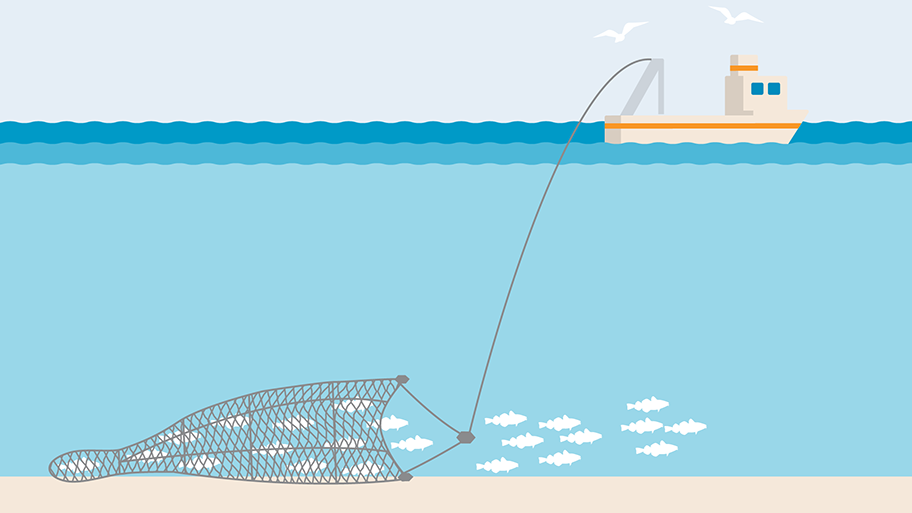
This contrast is striking given that many marine protected areas across Britain’s seas are currently subject to damaging activities. Bottom-towed gear (heavy nets dragged along the seabed) is known to destroy habitat, crush slow-growing animals like sponges and fan mussels, and undermine recovery. The Isles of Scilly study shows what’s possible when those pressures are reduced.
The Government has in recent years proposed expanding bans on bottom trawling in more Marine Protected Areas (MPAs). One proposed measure under consultation would protect around 30,000 square kilometres of seabed in England from bottom-towed fishing gear. That would cover 41 MPAs, up from around 18,000 km² currently free of those practices. This would extend protection to species and habitats vulnerable to physical damage.
However, consultations and political resistance remain. Fishing industry stakeholders often point out that bottom trawling is economically important in many coastal communities, and moving away from it without adequate support or alternative livelihoods could be disruptive. Enforcement is also an issue: even when bans are on paper, monitoring compliance across vast and often remote marine areas is costly and technically challenging.
The Isles of Scilly footage seems already to be feeding into policy discussions. Conservation groups are pointing to it as a case study in what could follow if expanded protections are enforced effectively. Researchers argue that more underwater camera surveys, combined with mapping and long-term monitoring, could help designate which zones would benefit most from stricter regulation. Some also say that improvements in satellite tracking and remote sensing could help close enforcement gaps.
There are more intangible gains too. Locations like Scilly, where marine biodiversity appears to be bouncing back, can help shift public opinion and build political will. They serve as visible proof of recovery for people who care about marine nature and whose livelihoods depend upon fishing, tourism, and clean seas. That matters in shaping future regulation, because when local communities can see and participate in conservation benefits, outcomes tend to be more durable.
Still, scientists warn that protecting a wider area is only part of the equation. Many seabed habitats are already degraded; warming seas, acidification, pollution and invasive species are combining pressures. Protection needs to be accompanied by restoration where possible such as reestablishing lost habitat structure, reducing land-based pollution, and maintaining water quality.
As climate change accelerates, the resilience of marine ecosystems becomes ever more important, not just for wildlife, but for coastal protection, fisheries, tourism, and carbon storage. The Isles of Scilly study reinforces the case that with thoughtful management, Britain’s marine ecosystems have room to heal. What remains uncertain is whether the political and economic steps will keep pace with the ecological evidence, but we can hope.
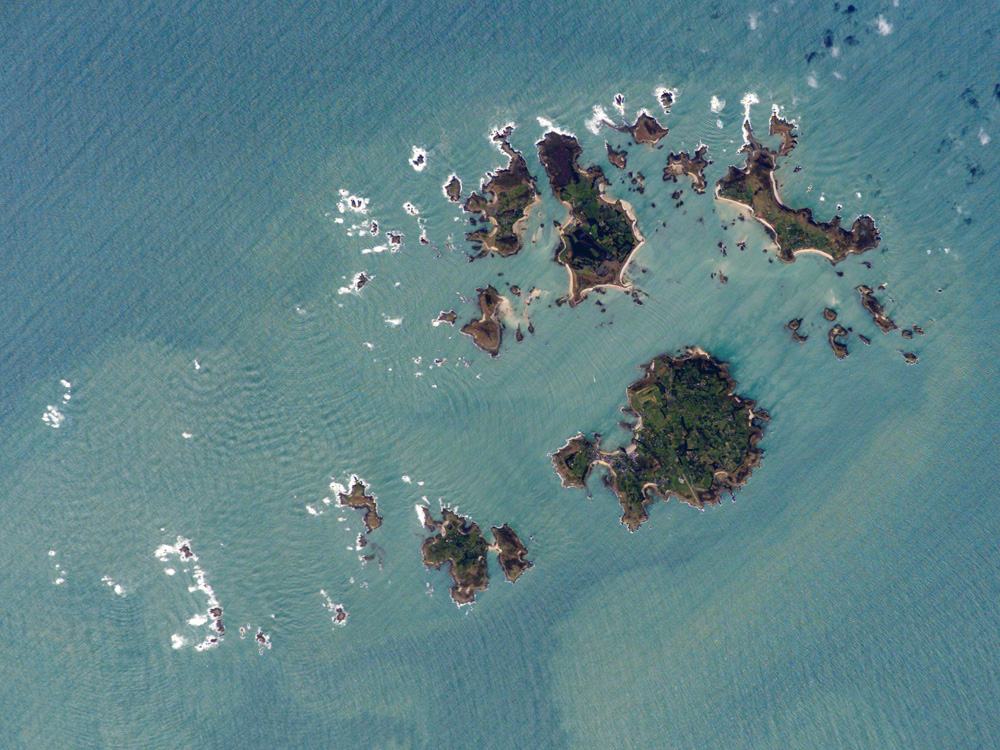
As viewed from the International Space Station
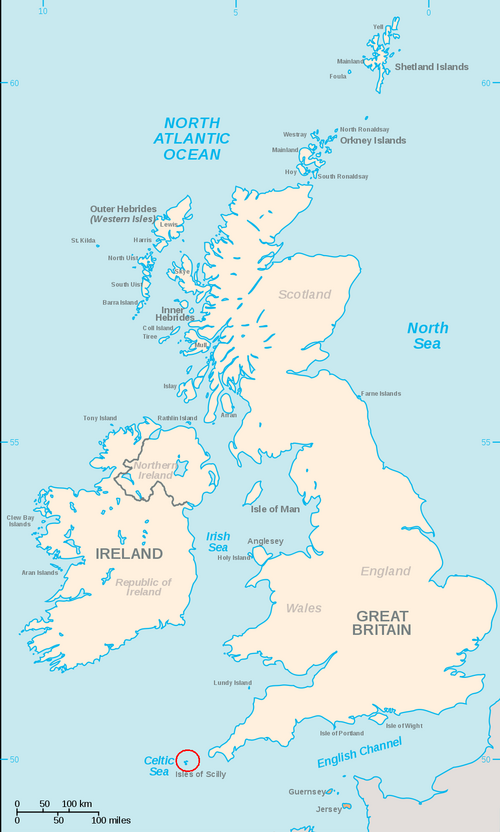
Scilly Isles archipeligo off the coast of Cornwall
Underwater Survey off Scilly Isles Reveals Marine Recovery and Sparks Calls for Wider Protection