


For the first time in more than six hundred years, white storks ( Ciconia ciconia ) have returned to the Midlands.
Three young birds have arrived at Willington Wetlands, an old gravel-working site beside the River Trent that is slowly being won back by water and wild growth. They are now settling into a purpose-built enclosure as part of a long-term plan to bring a breeding flock back to the region.
White storks were once found across Derbyshire and the wider Midlands. Their great nests stood high in trees and upon buildings, while the birds themselves passed into old tales and folklore. Yet hunting and the loss of their feeding grounds drove them from the region around the fourteenth century.
The three birds at Willington are meant to do more than form a small settled group. Storks are highly social and are more likely to stay where others have already gathered. It is hoped that the young birds will act as a “magnet flock”, drawing wild storks passing through the Trent Valley to rest and perhaps remain to breed.
Nesting platforms will also be set in nearby trees, giving visiting birds ready-made places on which to build.
Wild storks have been seen over Derbyshire in recent years. One was recorded over Willington Wetlands in 2024, with others seen nearby in 2025. Birds have also been spotted around Matlock and Ashbourne. Until now, however, none have stayed to breed.
Willington Wetlands is well suited to the task.
The wider site covers more than one hundred acres of reedbeds, pools and wet grassland beside the River Trent, one of the great wildlife paths through the heart of England. Where gravel was once torn from the earth, water and wild things have slowly returned.
The £309,000 stork scheme has been funded by the Veolia Environmental Trust through the Landfill Communities Fund. The money has helped pay for the new enclosure and will also support work on the wetlands, monitoring, and in time, managed releases into the wider landscape.
The worth of the scheme reaches far beyond one bird species. White storks feed across wetlands and open grassland, taking insects, frogs, other small creatures and small mammals. To make room for them is therefore to mend a wider web of life.
There is something heartening in the return of a bird so long absent from the Midlands. For many lifetimes, the white stork belonged only to old records, half-remembered tales and rare wings passing overhead.
Now, beside the slow-running Trent, three young birds have come back to the land of their forebears. Whether their kind will once again take root here is not yet known. But after six hundred years, the first step home has been made.
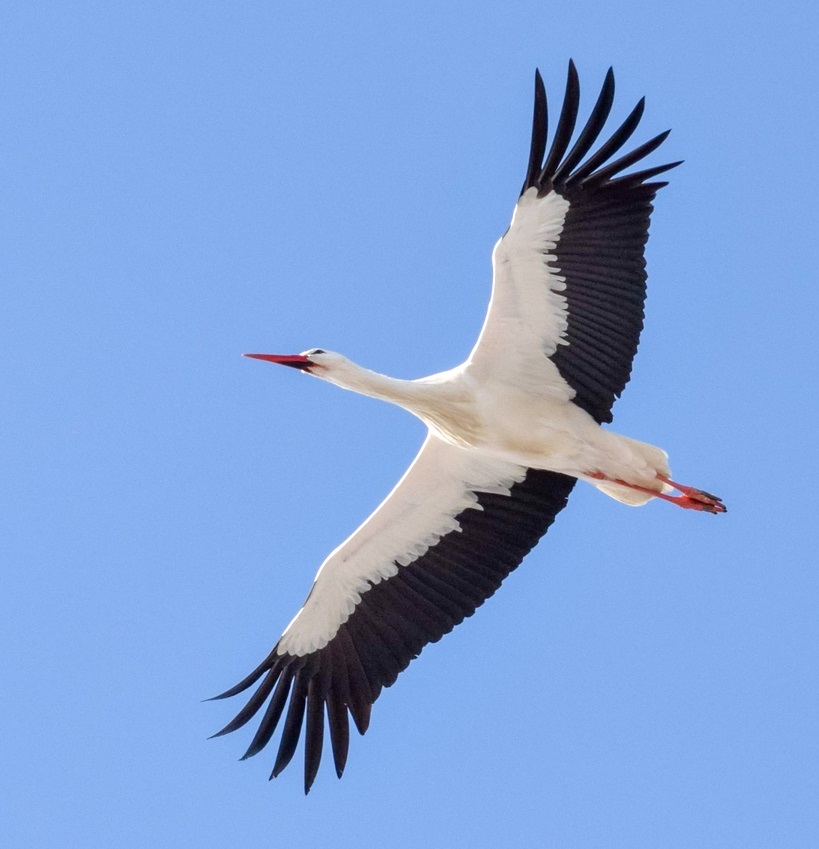
White Stork in flight Gergely Gajda
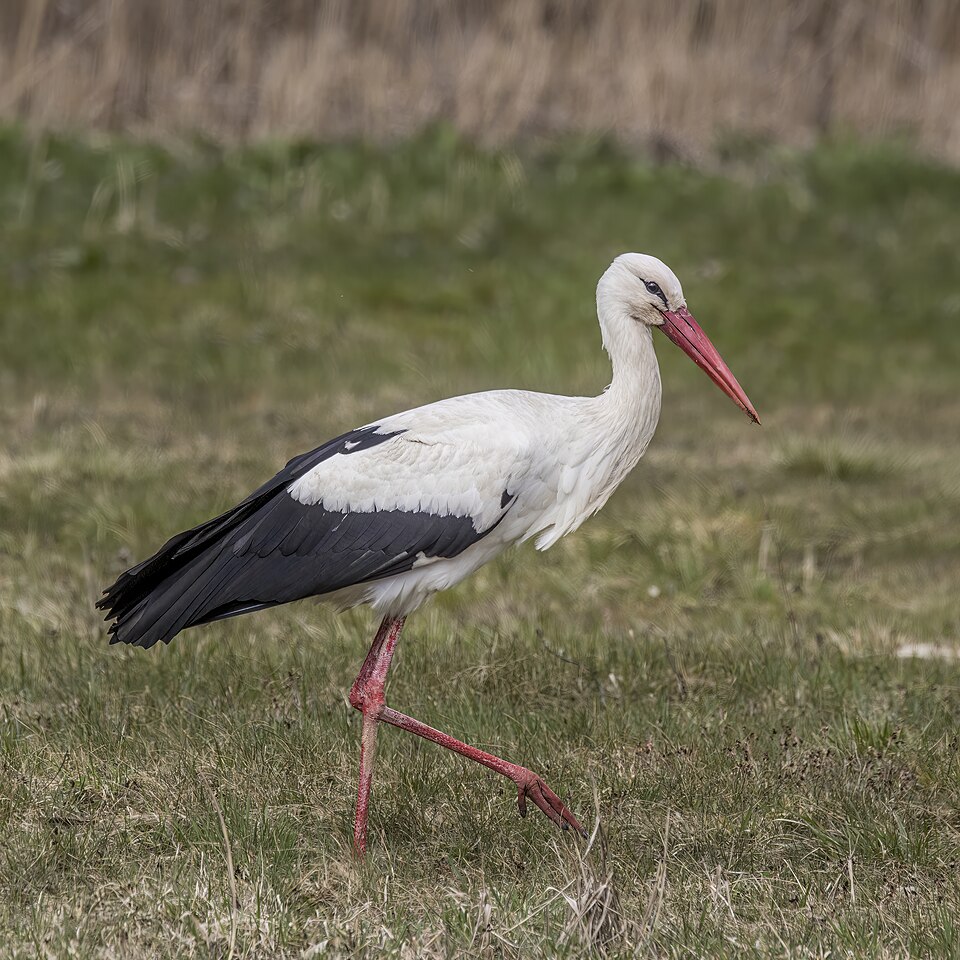
White Stork Charles Sharp
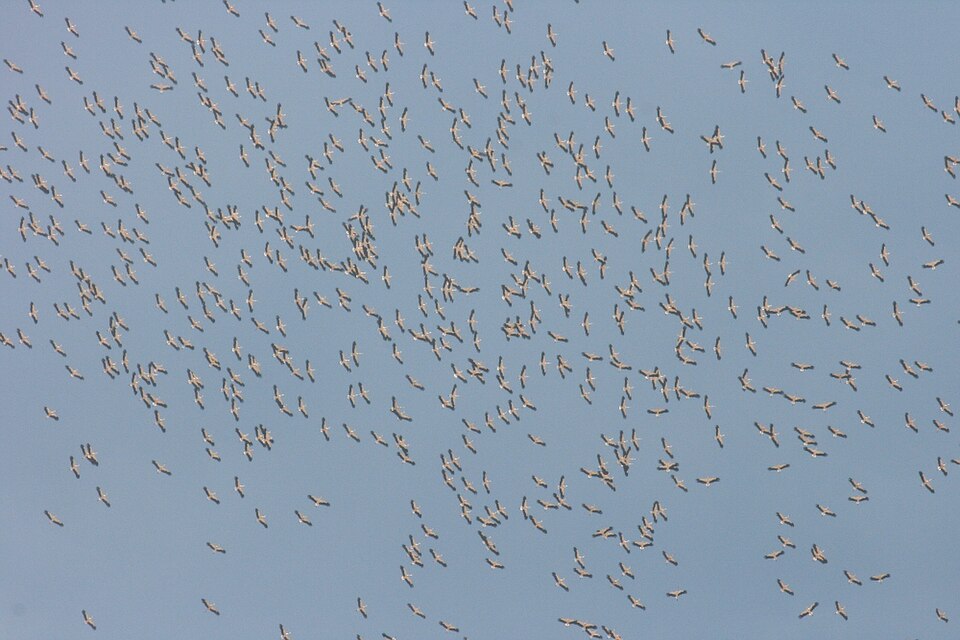
Migrating flockHenrike Muhlichen